Learn about the different forms, mechanisms, and hazards of avalanches, rapid flows of snow down a slope. Find out how avalanches are triggered, classified, and controlled in mountainous areas. Learn about the different forms, mechanisms, and hazards of avalanches, rapid flows of snow down a slope. Find out how avalanches are triggered, classified, and controlled in mountainous areas. Avalanche .org is a partnership between the American Avalanche Association (A3) and the US Forest Service National Avalanche Center (NAC). The site consolidates data from professional forecast centers to provide real-time avalanche information. Avalanche .org is a partnership between the American Avalanche Association (A3) and the US Forest Service National Avalanche Center (NAC). The site consolidates data from professional forecast centers to provide real-time avalanche information. An avalanche is a mass of material rapidly moving down a slope. It is typically triggered when the material on a slope breaks loose from its surroundings, and this material quickly collects and carries additional material down the slope. An avalanche is a mass of material rapidly moving down a slope. It is typically triggered when the material on a slope breaks loose from its surroundings, and this material quickly collects and carries additional material down the slope. The various kinds of avalanches include snow avalanches, rock avalanches, ice avalanches (which typically occur in the vicinity of a glacier), and debris avalanches (which contain a variety of unconsolidated materials, such as loose stones and soil). An avalanche is a rapid flow of snow down a slope, such as a hill or mountain. Avalanches can be triggered spontaneously, by factors such as increased precipitation or snowpack weakening, or by external means such as humans, other animals, and earthquakes.
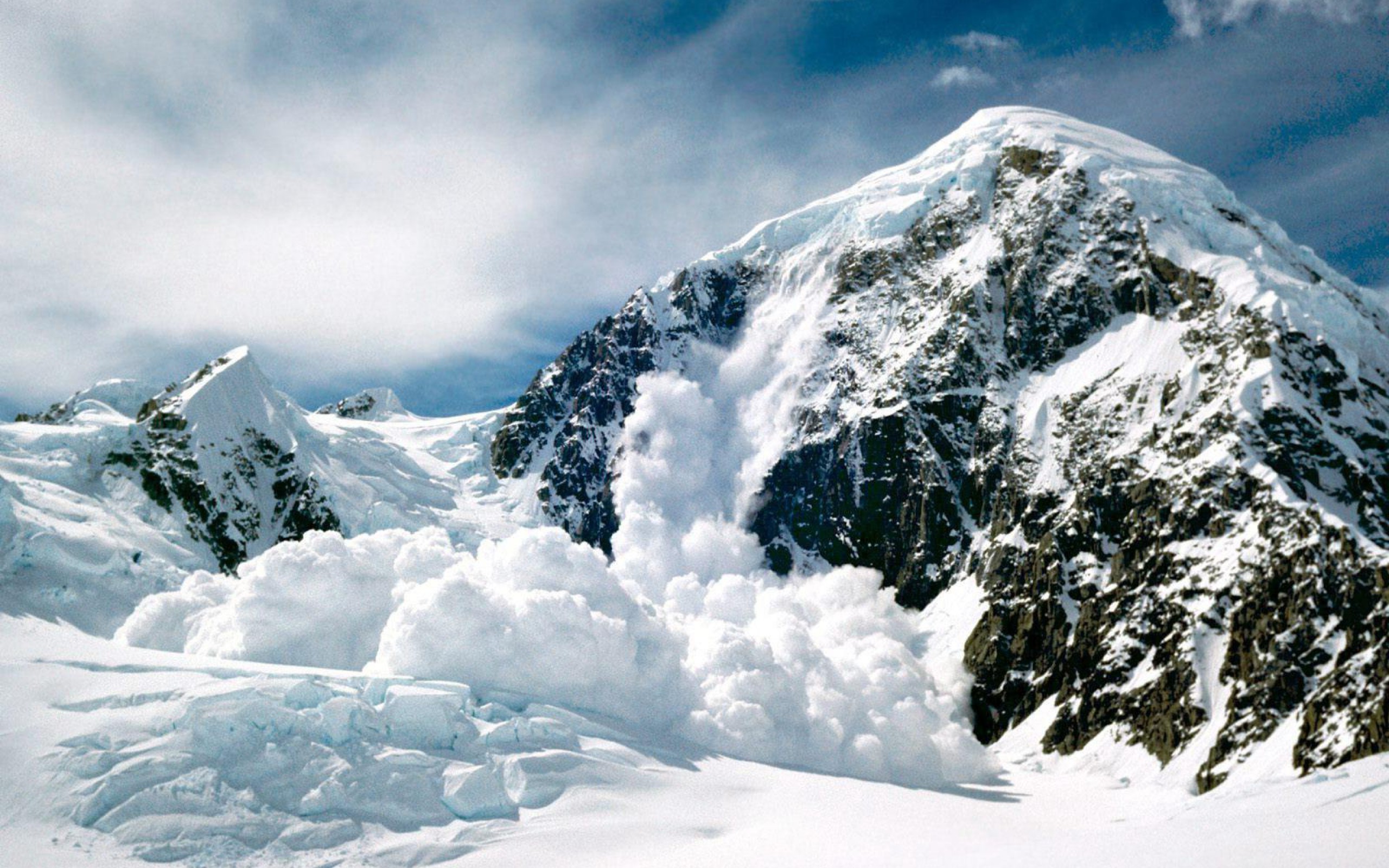
Avalanche
Learn about the different forms, mechanisms, and hazards of avalanches, rapid flows of snow down a slope. Find out how avalanches are triggered, classified, and controlled in mountainous areas. Learn about the different forms, mechanisms, and hazards of avalanches, rapid flows of snow down a slope. Find out how avalanches are triggered, classified, and controlled in mountainous areas. Avalanche .org is a partnership between the American Avalanche Association (A3) and the US Forest Service National Avalanche Center (NAC). The site consolidates data from professional forecast centers to provide real-time avalanche information. Avalanche .org is a partnership between the American Avalanche Association (A3) and the US Forest Service National Avalanche Center (NAC). The site consolidates data from professional forecast centers to provide real-time avalanche information. An avalanche is a mass of material rapidly moving down a slope. It is typically triggered when the material on a slope breaks loose from its surroundings, and this material quickly collects and carries additional material down the slope. An avalanche is a mass of material rapidly moving down a slope. It is typically triggered when the material on a slope breaks loose from its surroundings, and this material quickly collects and carries additional material down the slope. The various kinds of avalanches include snow avalanches, rock avalanches, ice avalanches (which typically occur in the vicinity of a glacier), and debris avalanches (which contain a variety of unconsolidated materials, such as loose stones and soil). An avalanche is a rapid flow of snow down a slope, such as a hill or mountain. Avalanches can be triggered spontaneously, by factors such as increased precipitation or snowpack weakening, or by external means such as humans, other animals, and earthquakes.

ejuice | kode pos indonesia | us states zip | jember explore | belajar ngeblog | properti jember | oto jember | zip codes usa | frasmedia | masaguz | buy backlink | gus fawait | pro jember